Prime Ministerial Protocol: Decoding Press Conference Rules and Diplomatic Culture in India and Foreign Visits
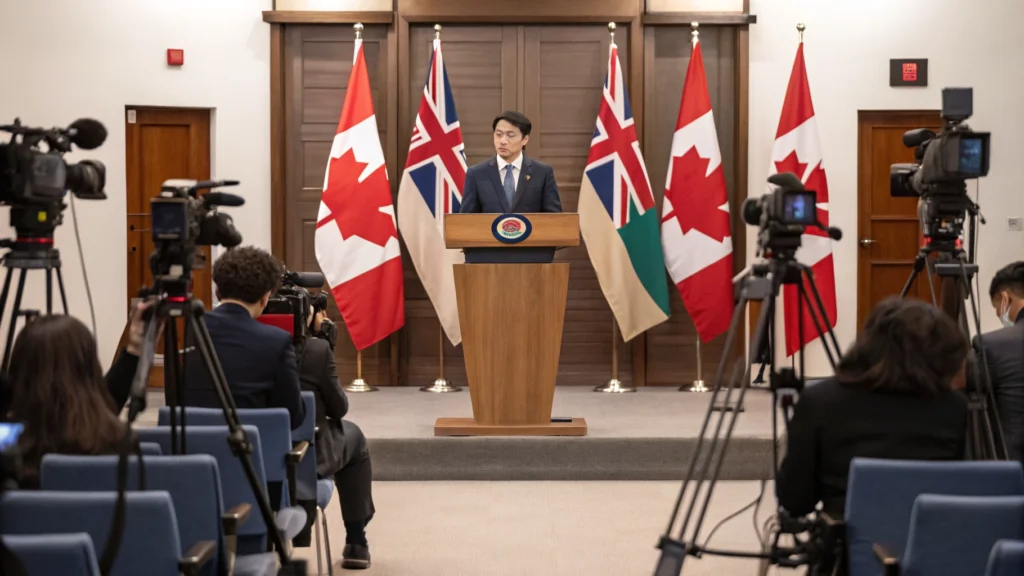
The flashing lights of a hundred cameras capture the Prime Minister as they step to the podium. This is not just a talk with reporters. It is a calculated display of power, policy, and intent. Whether at home in New Delhi or on a state visit abroad, the Prime Minister’s press interactions follow strict, unspoken, and written rules. Understanding these guidelines shows how India manages its image and builds ties on the global stage.
Adherence to these rules is more than simple bureaucracy. It is a vital tool of statecraft. Every action, from the seating plan to the length of an opening statement, communicates a message to both citizens and world leaders.
Foundations of Official Press Briefings in India
Standard Operating Procedures (SOPs) for Domestic Conferences
Official media events in India do not happen by accident. They follow set procedures managed by the Prime Minister’s Office (PMO) and the Press Information Bureau (PIB). When the PM holds a briefing, the PIB handles the logistics. They select venues that balance capacity with security, such as Hyderabad House or the auditorium at Shastri Bhawan.
The format is usually rigid. It begins with an opening statement from the Prime Minister. This statement sets the tone and the main points the government wants the public to hear. A moderated question and answer session follows. Media outlets must follow rules about where to set up their cameras and how long their recording equipment can stay active. Everything is timed to ensure the message stays on track.
Media Accreditation and Access Control
You cannot simply walk into an event where the Prime Minister is speaking. The PIB vets every journalist. They use a tiered system based on security clearance levels and the outlet’s reach. This vetting process is rigorous. Even journalists with long-term passes often face extra checks before a high-profile event.
There are also rules for conduct. Disruptive behavior or yelling during a session will get a reporter escorted out. These sessions are professional environments. The goal is to collect information, not to debate or protest. Everyone knows the boundary: if you break the unspoken code of respect, you lose your access.
The Art of the Question: Framing and Selection
Getting a question in at a press conference is difficult. Reporters must frame their questions clearly and concisely to even have a chance. Often, the communications team has already analyzed the political climate. They expect certain difficult questions.
To stand out, successful journalists use these tactics:
- Keep the question brief and to the point.
- Focus on policy impact rather than personal attacks.
- Link the question to current national priorities.
The selection process is never random. The team prioritizes questions that allow the Prime Minister to highlight specific achievements or address urgent national needs.
Diplomatic Etiquette During Foreign Visits
Joint Press Conferences (JPCs): Bilateral Communication Dynamics
When the Prime Minister travels abroad, the rules shift. A Joint Press Conference (JPC) involves two heads of government. This is a delicate dance. Protocol determines the speaking order, which usually alternates or favors the host nation’s leader.
Each leader has a set time to speak. They focus on common ground. Content is usually agreed upon before the cameras turn on. The goal is to present a united front. Contender topics are often avoided in public to keep the focus on the partnership. If there is a disagreement, officials handle it in private meetings, not at the podium.
Media Interaction on Foreign Soil: Navigating Host Nation Rules
Interacting with the press in another country is a complex task. The PMO staff must clear every move with the host nation’s security and media teams. They must understand the host country’s laws on media freedom and protests.
Impromptu media scrums are rare. If the Prime Minister does stop to talk in a hallway or at an airport, it is usually a planned move. The goal is to show the PM is approachable without risking an unscripted moment that could be taken out of context. Every interaction is carefully managed to respect the host nation’s political environment.
Photo Opportunities and Visual Diplomacy
A photo is often the only thing the public sees of a diplomatic meeting. These moments are highly staged. Everything matters. The distance between podiums, the placement of national flags, and even the type of handshake used send a signal.
These cues tell the world if the two leaders are close partners or merely formal acquaintances. The PMO and the host nation’s team coordinate these shots down to the millimeter. International agencies often receive a pool camera feed. This ensures the visuals match the intended message of strength and friendship.
Content Control and Messaging Strategy
Crisis Communication Protocols On The Move
When something goes wrong at home while the PM is abroad, the response must be fast. The PMO has a specific team that travels with the delegation. They hold the authority to issue statements or clear the PM to speak.
If a major event happens, the team can shift the schedule. They might cancel a cultural visit to hold an emergency press briefing. The team ensures that the Prime Minister stays informed and can react without appearing rattled. A steady, calm presence is the priority during a crisis.
Managing Ambiguity: Carefully Worded Statements
Diplomacy requires precise language. A single wrong word can cause a trade dispute or a tense standoff. The Prime Minister’s team crafts statements with extreme care. They often use standard diplomatic phrasing that allows for some flexibility.
Senior officials often hold “background briefings.” In these sessions, they explain what a statement really means without being on the record. This allows them to clarify the PM’s position without the risks of a formal, on-the-record interview. It is a way to steer the media narrative while keeping an escape route open.
Social Media Integration vs. Formal Press Statements
Social media has changed the game. The PM’s official channels offer a fast, unfiltered way to reach the public. These posts are often more casual than a formal press conference. The communications team coordinates these posts to match the timeline of official events.
While a formal press conference offers depth, social media offers reach. The strategy is to use both. The formal session establishes the policy, and the social media post drives the emotional connection with the public.
Security, Logistical Framework, and Contingencies
Security Clearances and Restricted Zones
Journalists covering the Prime Minister on foreign tours face strict security protocols. They must submit their names, passport details, and equipment lists weeks in advance. Both Indian security and the host nation’s security agencies review these lists.
During travel, journalists often ride in a designated “press bus” or follow in a separate motorcade. They have restricted access to the PM. Any attempt to stray from the designated media zone can lead to an immediate security response.
Technical Requirements and Broadcast Standards
Broadcast quality is non-negotiable. Indian media covering the PM abroad must meet high technical standards. This includes specific uplink and downlink equipment. If the feed is bad, the message is lost.
Prasar Bharati and Doordarshan often lead the setup. They ensure the official feed is reliable and high-definition. This helps domestic channels broadcast the event without interruptions or quality issues.
Contingency Planning for Unscheduled Press Interactions
What if the Prime Minister is suddenly approached in a hotel lobby? This is a contingency nightmare. The security team and press aides are trained to handle this. They have a pre-made checklist for any move outside a secure zone.
The goal is to maintain control. If a question is asked, the aides are ready to either shut it down politely or provide a pre-approved short answer. Preparedness is the only way to manage the risk of an unscripted, high-stakes moment.
Conclusion
Prime Ministerial communication is a precise blend of protocol and strategy. It serves two main purposes: to keep the domestic public informed and to manage India’s image in the eyes of the world. The rules—ranging from media accreditation to visual staging—are not just hurdles. They are the scaffolding that supports international statecraft. By strictly adhering to these standards, the PMO ensures that the message remains clear, the image stays strong, and the national interest is always protected. Mastering this environment is a vital part of leading a nation in today’s complex geopolitical landscape.